ken chowder

Olmsted and America

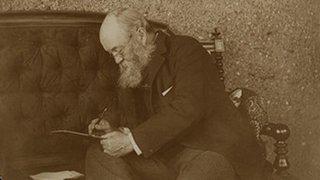
Frederick Law Olmsted’s relationship to his nation does not, at the outset, seem especially complex. He was as American as clam chowder: he was born in Connecticut, of New England stock, and died in Massachusetts. He lived an upper-class American life all his 81 years, despite a series of financial struggles. Even so, one might cite a line from Citizen Kane: Charles Foster Kane describes the object of his interest, shop girl Susan Alexander, as “a cross-section of the American public.”
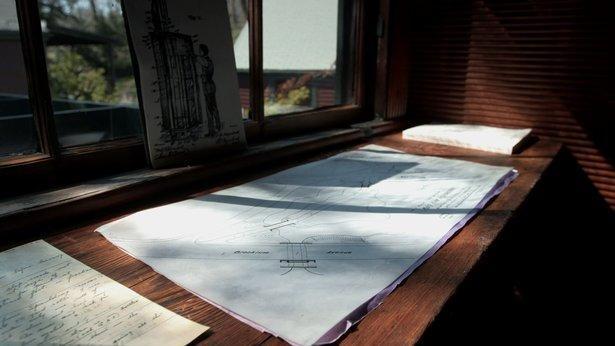
Diagrams laid out on a wood table.

Keith Morgan

The Olmsted Firms: The Men Around the Master

Frederick Law Olmsted was an autodidact. Having given up college for medical reasons, he trained himself on the job for the various careers he later pursued: scientific agriculture, journalism and eventually landscape architecture. The position that would ultimately determine the remainder of his life and establish his national reputation was one that, to a large extent, he fell into due to the failure of his previous enterprises.

Robin Karson

The Persistence of Olmsted's Influence

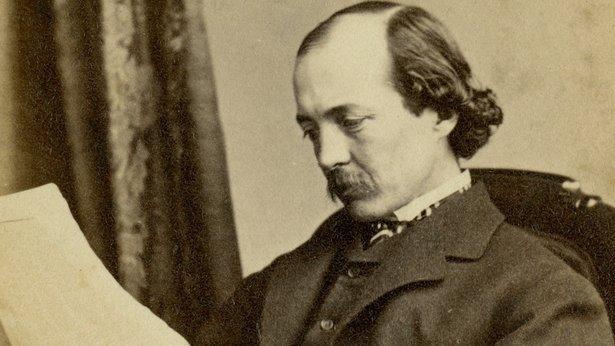
Through the vast body of his firm’s work, Frederick Law Olmsted laid the foundation for a school of American landscape design whose principles and goals were closely aligned with his own. The origins of this school can be found in Olmsted’s first design, executed for Central Park collaboratively with Calvert Vaux in 1858, and traced through the second half of the nineteenth century as his influence spread through a scattered network of professional landscape practitioners. Few realize that it continued to guide American designs throughout the twentieth century.

Photo of Niagara Falls.

Ethan carr

Olmsted and Scenic Preservation

Frederick Law Olmsted is rightly remembered as the most accomplished landscape architect in U.S. history; the designer of great municipal parks and other landscapes. He was also a key figure in the nation’s most significant early examples of scenic preservation. These endeavors were not mutually exclusive, and in fact park design and scenic preservation were both aspects of the practice of landscape architecture Olmsted developed in the second half of the nineteenth century. Public parks of all types – from municipal pleasure grounds to state and national reservations – made it possible for the general public, not just a wealthy few, to experience a wide range of landscape scenery.

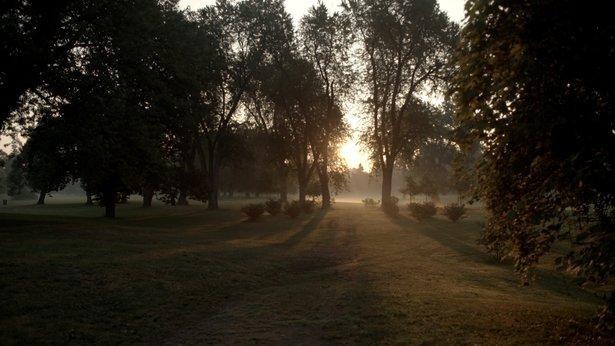
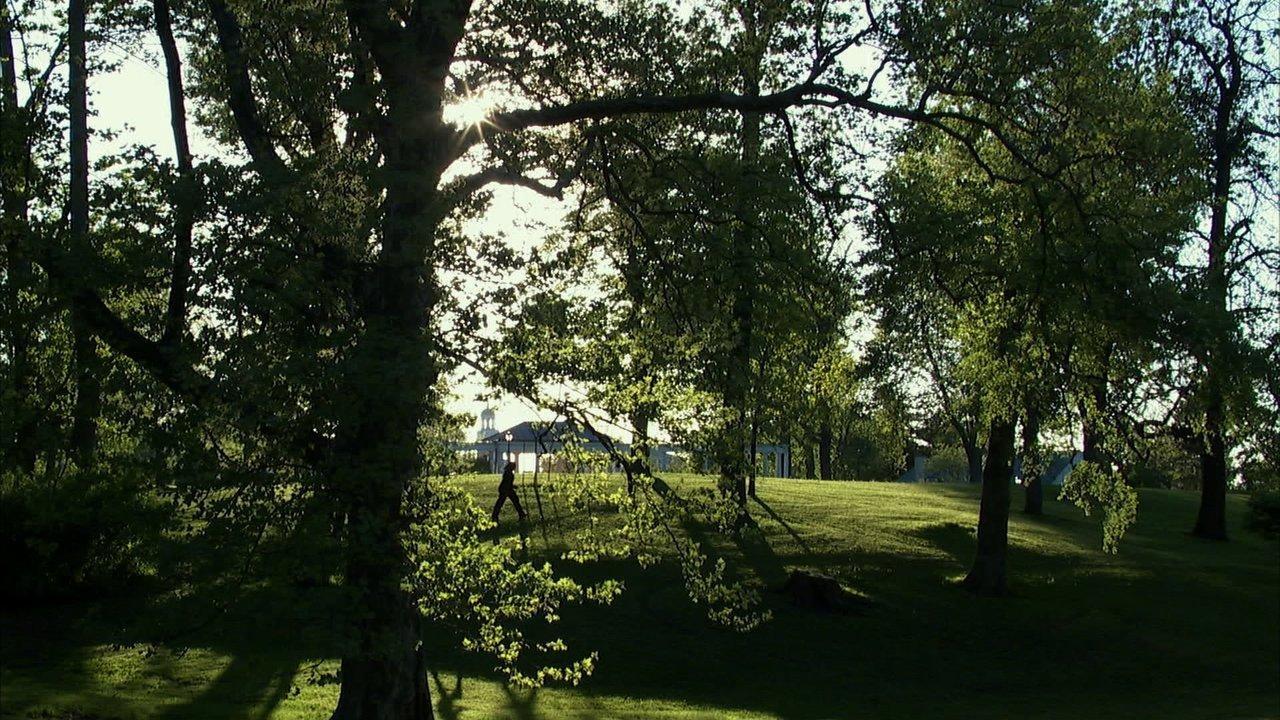
Sunset in Delaware Park.

Thomas Herrera-Mishler

Olmsted's Buffalo Park System and Its Stewards

Frederick Law Olmsted (1822–1903), America’s first and greatest landscape architect, designed a system of parks and parkways in Buffalo that was the first of its kind in the nation and represents one of his largest bodies of work. Listed in the National Register of Historic Places, the system consists of six major parks, their connecting parkways and circles, and several smaller spaces.

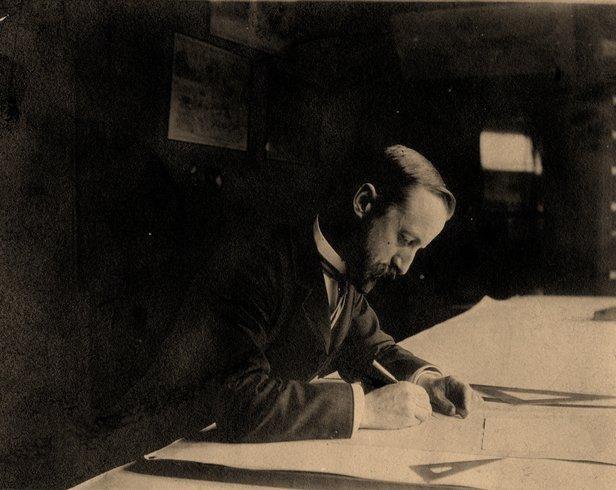
John Charles Olmsted sitting at a desk writing on a piece of paper.

Laurence Cotton

John Charles Olmsted in the Pacific Northwest

Laurelhurst Park and Terwilliger Boulevard in Portland. Volunteer Park and Lake Washington Boulevard in Seattle. Corbin and Manito parks in Spokane. The campuses of Linfield College in McMinnville and Oregon State University in Corvallis, Oregon; Whitman College in Walla Walla, Washington; the University of Washington in Seattle; the University of Idaho in Moscow; and the grounds of the State Capitol in Olympia, Washington. The Highlands residential development in Seattle and the Uplands in Victoria, British Columbia. All of these sites demonstrate the inimitable Olmsted landscape design imprint, the clear influence of Frederick Law Olmsted Sr. But in fact all of them, and many others in the Pacific Northwest, were designed by John Charles Olmsted.